Surgical Care Services
Minimally Invasive Surgery
Many medical conditions in animals do not require open surgery but can be treated through a minimally invasive procedure instead. As in human medicine, surgical sites are accessed using a scope introduced through small incisions. Small instruments are used to obtain biopsies or to perform complete repairs. The three kinds of minimally invasive surgery that our physicians perform include arthroscopy, laparoscopy, and thoracoscopy.
In arthroscopy, instruments and a tiny camera are passed into an affected joint through small incisions. Laparoscopy is the use of camera-guided procedures in the abdomen. Thoracoscopy is the use of camera-guided procedures in the chest cavity. At Veterinary Specialty Care, our skilled specialists use state-of-the art laparoscopic, thoracoscopic, and arthroscopic
equipment to efficiently perform surgeries with minimal discomfort and faster recoveries!
Minimally invasive surgery can be used to treat many common disorders and can also be utilized in the prevention of some. For example, some large dogs are prone to a potentially fatal condition called gastric volvulus or bloat. We can prevent this condition by performing a laparoscopically assisted gastropexy. With this procedure, the stomach is permanently attached to the body wall to prevent it from rotating in the future.
Surgical Care Services
Orthopedic Surgery
Dogs and cats frequently develop joint problems. We provide orthopedic surgical services that can help relieve your pet's bone and joint soreness pain and provide comfort and happiness for your pet.
Orthopedic medicine involves the treatment of bone and joint abnormalities. The two most common classes of orthopedic disease our surgeons see among our patients are fractures and joint disease. Fractures (broken bones) are common occurrences in dogs and cats, resulting most frequently from car accidents. In addition, dogs and cats frequently develop joint problems, and the management of these conditions sometimes requires surgical intervention. Generally, the same techniques that are used by human surgeons are applied to repair fractures in dogs and cats: bone plates and screws, pins and wire, interlocking nails, and external devices, such as external fixators or casts and splints.
Treatment of Hip Dysplasia
Total hip replacement: We perform this procedure regularly and it is essentially the same as the procedure performed on human patients. This is an excellent treatment in which the "ball and socket" are replaced with prosthetics made from titanium and acrylic. We provide both cemented and biocompatible, non-cemented replacements as needs direct for each patient. This procedure provides a mechanically sound hip which functions near 100% of normal. These offer rapid recovery, minimal pain, and excellent long term function.
Triple pelvic osteotomy: This procedure is generally reserved for patients who have been diagnosed
early as it usually is not done in dogs over 10 months of age, although there are exceptions. This
procedure involves making three separate cuts (osteotomies) in the pelvis, rotating the bone, and then
plating it in a new position. The principle is to rotate the pelvis so that the hip socket covers the ball, or
femoral head more normally and then remodels into a normal joint. On carefully selected patients this
is a very effective treatment and can prevent degenerative joint disease from hip dysplasia.
Femoral head and neck ostectomy (FHO) is a surgical procedure that is often used to treat hip dysplasia,
chronic arthritis of the hips, Legg-Calve-Perthes disease (also called avascular necrosis of the femoral
head), hip dislocation, fractures of the hip joint, and failed total hip replacements. The head and neck of
the femur are removed to eliminate bone-to-bone contact in the hip joint. Over time, a "false joint"
forms in the area where the hip joint previously existed. Small and medium sized dogs seem to have the
best and most consistent outcome with the surgery, though large dogs can do well with the surgery as
well. In most cases, younger dogs respond a little better with surgery than geriatric patients do. As a
post-operative measure, long term pain medications may be required.
Surgical Care Services
Neurosurgery
Veterinary Specialty Care offers services in the full range of neurologic diseases. We have the advanced training and technology to assess and treat any problem of the brain, nerves, or spinal cord.
Our team is experienced in diagnosing and treating such problems as epilepsy and other seizure disorders, head and spinal cord trauma, back (disk) problems, brain tumors, neuromuscular disease treatment, and the treatment of encephalitis, and meningitis, among others. Through our medical expertise and the advanced imaging capabilities in our facility, our specialists can determine the source of your pet’s problem and the most effective way to treat it.
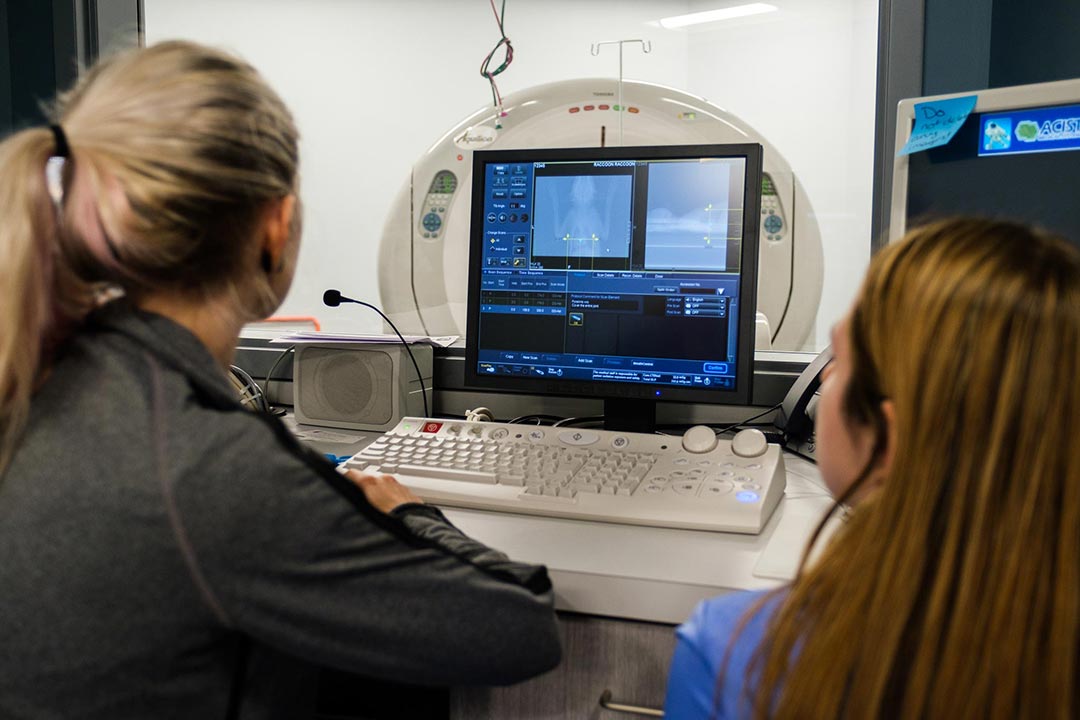
At Veterinary Specialty Care, we offer advanced imaging such as digital radiography and CT Scanning and the most advanced, fastest and safest MRI in South Carolina. We offer services in the full spectrum of neurologic disease. Our advanced imaging capabilities available at the Veterinary Specialty Care facility, in combination with other tests, make it possible for us to closely examine the brain, spinal cord, and peripheral nerve
Among other neurologic conditions our surgeons commonly diagnose and treat are the following:
- Discospondylitis, an infection of the intervertebral disc or associated vertebrae, which can
be caused by bacteria or fungal organisms
- Brain tumors
- Fibrocartilagenous embolism, or FCE, of the spinal cord, characterized as the inoperation
of the tiny blood vessels that supply a section of the spinal cord, with effects similar to a
heart attack
- Spinal fractures
- Wobbler Syndrome, disorders that result in compression of the spinal cord in
large and giant breed dogs. This disease is particularly common in young Great
Danes and Doberman Pinschers, with males twice as likely to develop this kind of
disorder
- Lumbosacral (LS) disease, a complex of neurologic difficulties caused by compression of
the nerve roots to the spinal cord
- Spinal cord tumors
Surgical Care Services
Surgical Oncology
When other options have failed, surgery can offer a pet owner hope to sustain the pet’s life for several additional months or years.
Despite the many recent advances in cancer therapy surgery is still the most widely utilized and frequently the most effective treatment for cancer. It is often used in conjunction with chemotherapy and / or radiation. We are committed to providing the best possible care for companion animals with cancer. Often surgery provides a cure, or the chance to sustain a pet’s life for several additional months or years.
Some kinds of cancer are curable, and some kinds are treatable. Our surgeons make it a point to acquire as much information as possible regarding the behavior that should be expected of the tumor and the location of tumor cells. Our veterinarians will diagnose the affected tissue area and determine the nature of the surgery that must be performed to best treat your pet. To discover the exact location and to find whether and/ or how a tumor is growing, diagnostic imaging is an essential tool that our surgeons use.
Surgical Care Services
General Surgery
Experience makes a difference and at Veterinary Specialty Care our surgeons are all in their second decade of performing specialty surgery. Neurologic, Orthopedic, Gastrointestinal, Cardio-thoracic, Head and Neck, Skin / Reconstructive, Hepatic, and Urogenital surgery, are the major categories of surgery we perform regularly. We see the unusual cases every day and it is our experience that will provide your pet with a rapid and accurate diagnosis and the best surgical management possible. Being a great surgical service is much more than "bells and whistles". Great equipment is important but only in the hands of someone with the decision making skills to decide if surgery is appropriate and the experience to perform surgery with confidence and precision. Surgery should be appropriate, quick, kind, and clean and the essential ingredient is experience.
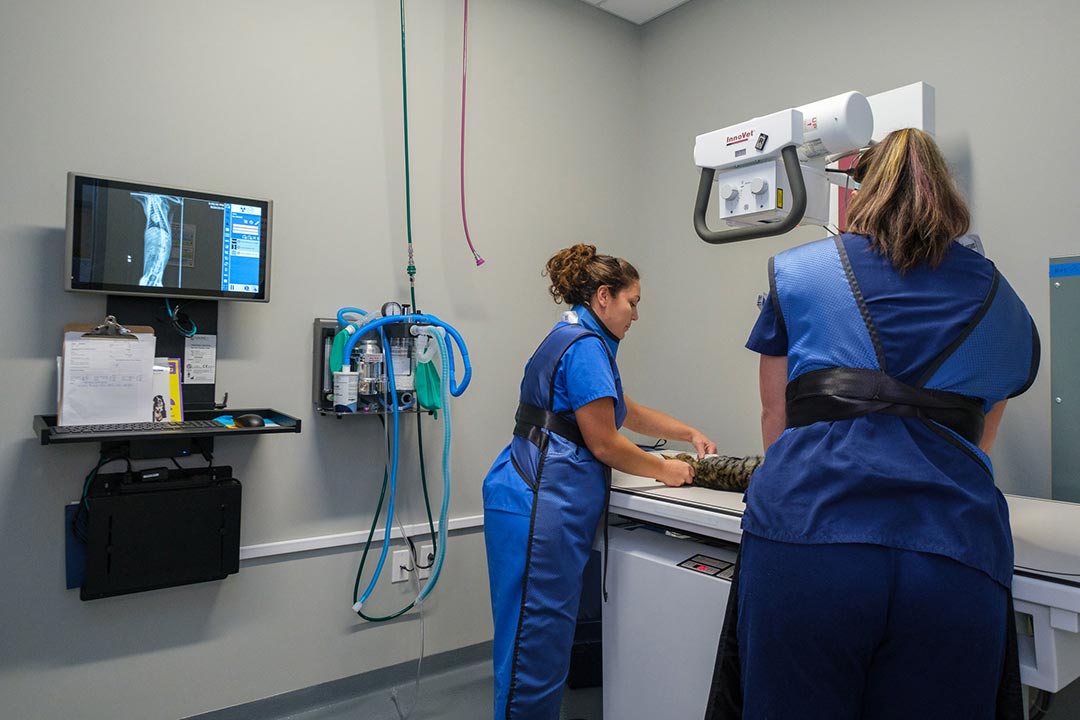
To ensure the safety of anesthesia and surgery it is important to rule in or out the presence of other health issues. Prior to surgery every case is thoroughly discussed with the referring veterinarian and is thoroughly examined. Pre-surgical blood tests, X-Rays, ultrasounds, EHG’s, etc are performed as necessary on a case by case basis.
Anesthesia safety is as important as anything happening surgically. That’s why we assign one skilled technician to each case who does nothing other than monitor the patient. Along with skilled and experienced eyes, hands, ears, and minds our anesthetists are aided by state of the art monitoring equipment which records ekg’s, blood oxygen saturation, blood pressure, heart and respiratory rate, and exhaled co2 levels. Everything that would be monitored on you is monitored on your pet. Patients are maintained on 100% oxygen and iv fluids.
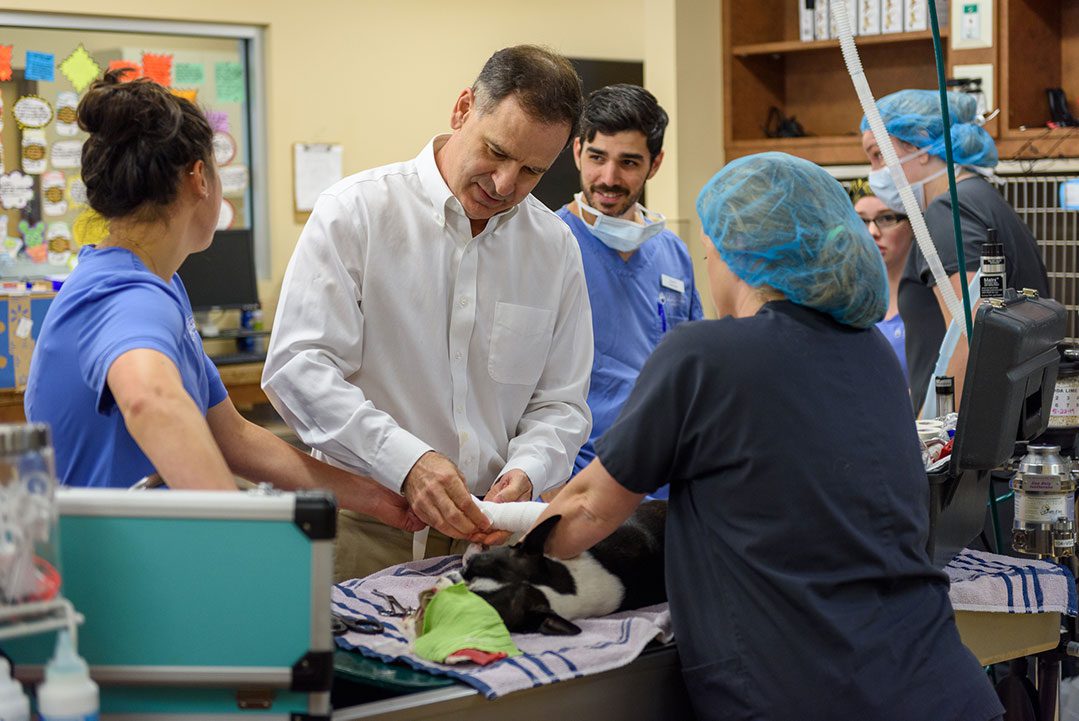
Sterility - All surgical procedures are performed under sterile conditions. Surgeons and assistants are capped , masked, gloved and gowned. Patients are surgically prepped and draped in for surgery. Patients are also given perioperative anitbiotics.
Esophogeal Surgery
Conditions affecting the esophagus which may require surgery include foreign objects that cannot be removed with an endoscope, traumatic injuries, diverticula (outpouchings of the espophagus), cancer, and vascular ring anomalies,our veterinarians recommend surgery of the esophagus for treatment. Foreign bodies lodged in the esophagus as they travel through the chest require a thoracotomy to remove them. Any trauma to the esophagus by penetrating chest wounds or by damage from something that the animal may have swallowed might need to be addressed surgically, in order to prevent food and liquid from leaking from the esophagus into the chest.
GI and Abdominal Surgery
Gastrointestinal (GI) surgery may be performed for a variety of reasons, including foreign body removal, cancer, ulcers, intussusception (a segment of bowel invaginates into an adjacent segment of bowel), trauma, or biopsies to diagnose certain diseases. Often GI surgery begins as an abdominal exploratory surgery, as the surgeon is searching for a problem that is suspected based on an ultrasound, radiograph or endoscopy. GI surgeries involve making an incision into the stomach, intestine, colon and/or esophagus, and then suturing the incision closed. With the exception of the esophagus, healthy GI tissues generally heal well.
Surgeries within the abdomen include removal of foreign bodies and tumors as well as exploratory surgery to assist with diagnosis and obtain biopsies for histopathology.
Spleen, Liver, and Gall Bladder Surgery
A hemangiosarcoma (HSA) is a common tumor of the spleen. HSA’s are usually seen in older dogs (8-10 years of age), and any large breed dog runs an increased risk to develop an HSA, especially German shepherds, golden retrievers, Labradors and poodles. Signs of HSA can be as subtle as weakness. Sometimes more obvious signs are present, such as collapse. If the mass ruptures and bleeds internally, an HSA can cause death. Surgery to treat an animal with HSA involves removal of the spleen (a splenectomy).
Surgery is the best treatment to treat a portosystemic shunt, an abnormal vessel that allows blood to bypass the liver. As a result of a shunt, the blood is not cleansed by one of the body’s filters: the liver. Generally the bile acids levels (after feeding a meal) in patients having a shunt are higher than 100. The overall success rate for surgery to address a portosystemic shunt is high, and in most cases, the pet will start to feel better with 10 to 14 days after surgery.
Gall bladder removal is a common method for the treatment of gall bladder disease. As with humans, the gall bladder can be removed in dogs and a normal life span can be expected. Cholecystoduodenostomy, another kind of gall bladder surgery that our physicians perform, involves dissecting the gall bladder from the liver, making a hole in the gall bladder and sewing it to a hole made in the small intestine. This procedure is, in essence, a by-pass for bile so that it no longer needs to flow through the common bile duct. Severe pancreatitis and the scarring or growth of a tumor in the bile duct are factors that lead to the necessity of this type of surgery.
Cardiovascular Surgery
There are a number of heart diseases that can be treated surgically. Hospitals utilize cardiac bypass equipment to perform surgeries on parts of the heart that would otherwise be inaccessible, like the valves and the walls of the chambers. At Veterinary Specialty Care, we perform cardiac surgeries that do not require cardiac bypass.
Patent ductus arteriosus (PDA) is the most common congenital heart defect that occurs in dogs. It is the condition in which a blood vessel called the ductus arteriosus fails to close normally soon after birth. Breeds commonly affected include Poodles, Keeshonds, Cocker spaniels, German shepherds, Pekinese, Collies, Shelties, Pomeranians and Welsh corgies. Females are at an increased risk for PDA, and a genetic basis is proven in poodles and suspected in other breeds. During fetal development the ductus arteriosus is a normal anatomical structure that allows fetal blood to bypass the lungs since they are not needed for oxygenation prior to birth. A PDA will produce a characteristic continuous heart murmur, which is often noted during the pet’s physical exam for initial vaccinations. Bounding pulses are also characteristic of a PDA.
Additional diagnostics that our veterinarians utilize to confirm the presence of a PDA are thoracic radiographs and an electrocardiogram. Surgical correction of a PDA is accomplished by the physician’s tying of the ducts to close the shunt.
Most dogs are discharged one or two days after surgery to recover at home, and the prognosis is often very good, especially if the condition is corrected before critical secondary changes in the heart have occurred.
Thoracic Surgery
Thoracic surgery is surgery that involves the chest. A thoracic surgical procedure may be performed for diseases of the heart, lungs, esophagus, mediastinum or ribs. Thoracic surgery is done by way of a thoracotomy. One of two thoracotomy approaches can be used for thoracic surgery: 1) a median sternotomy, a procedure in which the physician makes an incision along the sternum (breastbone), or 2) an intercostal thoracotomy, a procedure in which the physician incises the muscles between the ribs and then spreads them. The problem that needs to be treated determines which approach will be implemented.
Lung Surgery
Leakage of air from a damaged lung can occur by way of trauma or diseases of the lungs that cause them to weaken. Air leakage may cease without actual surgery. Sometimes a procedure called thoracocentesis, whereby air is removed from the chest cavity with a needle and a syringe, is sufficient. A chest tube may need to be placed if air builds up on a continuous basis. If these procedures do not resolve the lung problem, then surgery becomes the best option.
Oral Surgery
The range of surgery that our physicians offer in this category is varied. We perform oral surgery to treat pets with jaw fractures, oral tumors, dislocated teeth, oronasal fistulas (an abnormal passageway between the nose and mouth), palatal defects, and oral tumors. Our physicians provide the highest quality anesthetic and oral surgical care to our patients.
Skin Surgery
As a different brand of surgical treatment to address skin concerns, often reconstructive surgery is recommended for many wounds that dogs and cats incur. A wound that is located on the limbs may be reconstructed with skin flaps, which tend to be more resilient than skin grafts. A skin flap is a piece of skin that has its own blood supply and can be placed on a wound. Because this type of flap has its own blood supply, it is much more resistant to external factors, such as fluid accumulation beneath the flap, movement, and infection.
Surgical Care Services
Hyperbaric Chamber Therapy
Dogs and cats frequently develop joint problems. We provide orthopedic surgical services that can help relieve your pet's bone and joint soreness pain and provide comfort and happiness for your pet.
Orthopedic medicine involves the treatment of bone and joint abnormalities. The two most common classes of orthopedic disease our surgeons see among our patients are fractures and joint disease. Fractures (broken bones) are common occurrences in dogs and cats, resulting most frequently from car accidents. In addition, dogs and cats frequently develop joint problems, and the management of these conditions sometimes requires surgical intervention. Generally, the same techniques that are used by human surgeons are applied to repair fractures in dogs and cats: bone plates and screws, pins and wire, interlocking nails, and external devices, such as external fixators or casts and splints.
Treatment of Hip Dysplasia
Total hip replacement: We perform this procedure regularly and it is essentially the same as the procedure performed on human patients. This is an excellent treatment in which the "ball and socket" are replaced with prosthetics made from titanium and acrylic. We provide both cemented and biocompatible, non-cemented replacements as needs direct for each patient. This procedure provides a mechanically sound hip which functions near 100% of normal. These offer rapid recovery, minimal pain, and excellent long term function.
Triple pelvic osteotomy: This procedure is generally reserved for patients who have been diagnosed
early as it usually is not done in dogs over 10 months of age, although there are exceptions. This
procedure involves making three separate cuts (osteotomies) in the pelvis, rotating the bone, and then
plating it in a new position. The principle is to rotate the pelvis so that the hip socket covers the ball, or
femoral head more normally and then remodels into a normal joint. On carefully selected patients this
is a very effective treatment and can prevent degenerative joint disease from hip dysplasia.
Femoral head and neck ostectomy (FHO) is a surgical procedure that is often used to treat hip dysplasia,
chronic arthritis of the hips, Legg-Calve-Perthes disease (also called avascular necrosis of the femoral
head), hip dislocation, fractures of the hip joint, and failed total hip replacements. The head and neck of
the femur are removed to eliminate bone-to-bone contact in the hip joint. Over time, a "false joint"
forms in the area where the hip joint previously existed. Small and medium sized dogs seem to have the
best and most consistent outcome with the surgery, though large dogs can do well with the surgery as
well. In most cases, younger dogs respond a little better with surgery than geriatric patients do. As a
post-operative measure, long term pain medications may be required.